aRTiST
@freddiesroomate (TikTok)
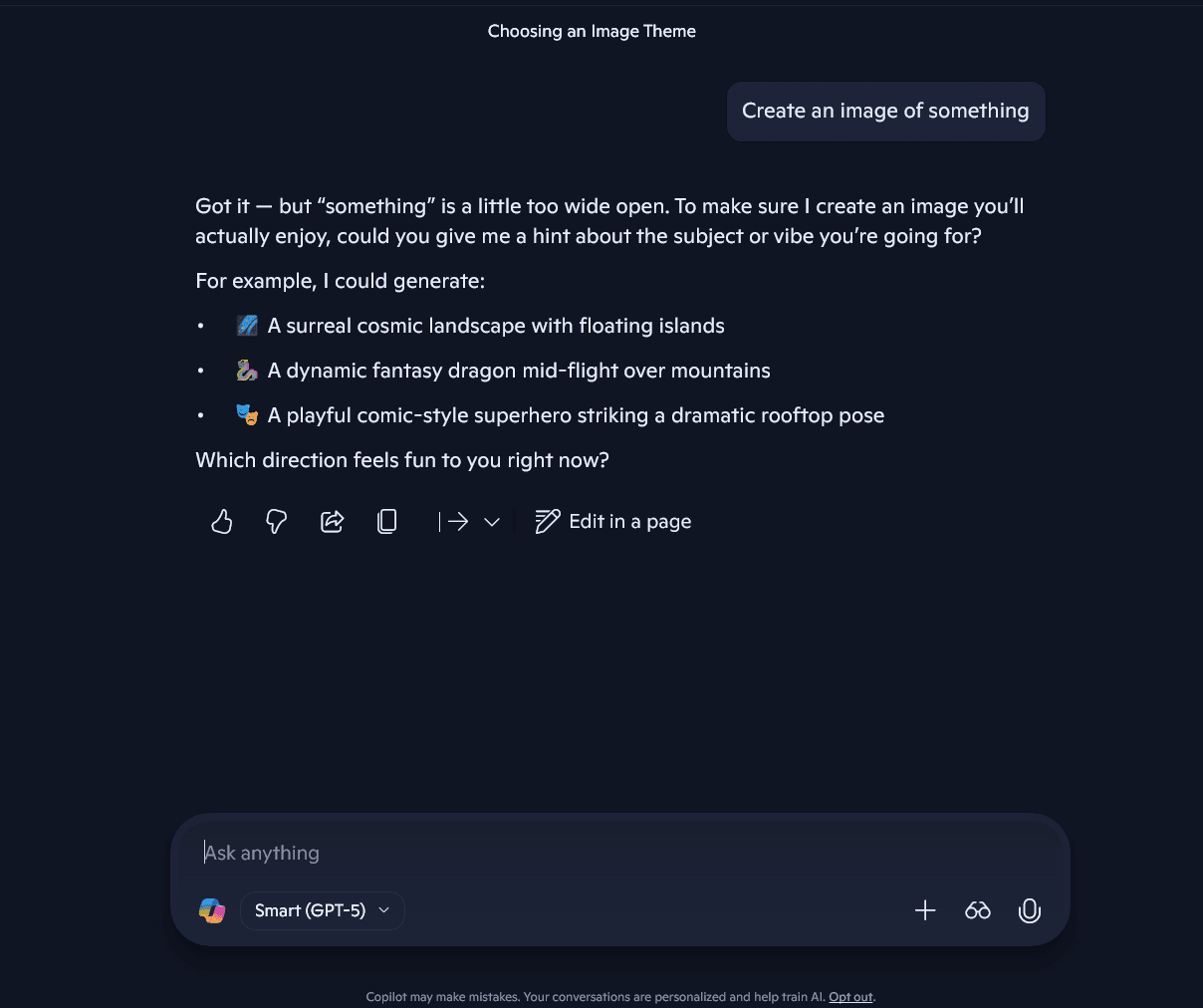
AI-Generated images are not art
I know that this is a take that can garner mixed reactions considering the world we live in today. It feels like every single product I use has some kind of AI feature (the website builder I'm using has one). Using AI to write a paper, send an email, shoot a text, discuss ideas, etc. has become the norm over the past few years and to me, it's terrifying. It takes away the human part of everyday interactions and I think we as designers should reflect on that.
I realize saying this in the tech space (especially UX) will make some eyes roll, but one thing I believe in is being honest about my thoughts on the future of technology as a designer. Furthermore, as someone who always thinks about the world from an artist's perspective, the idea of aRTiST was born.
AI should be a tool, not a shortcut
The big question I had when coming up with his concept was how can I create an AI wearable that helps artists learn how to draw instead of a prompt sucking machine that does the work for them? I looked into making glasses that used AI to foster growth in one's skills.
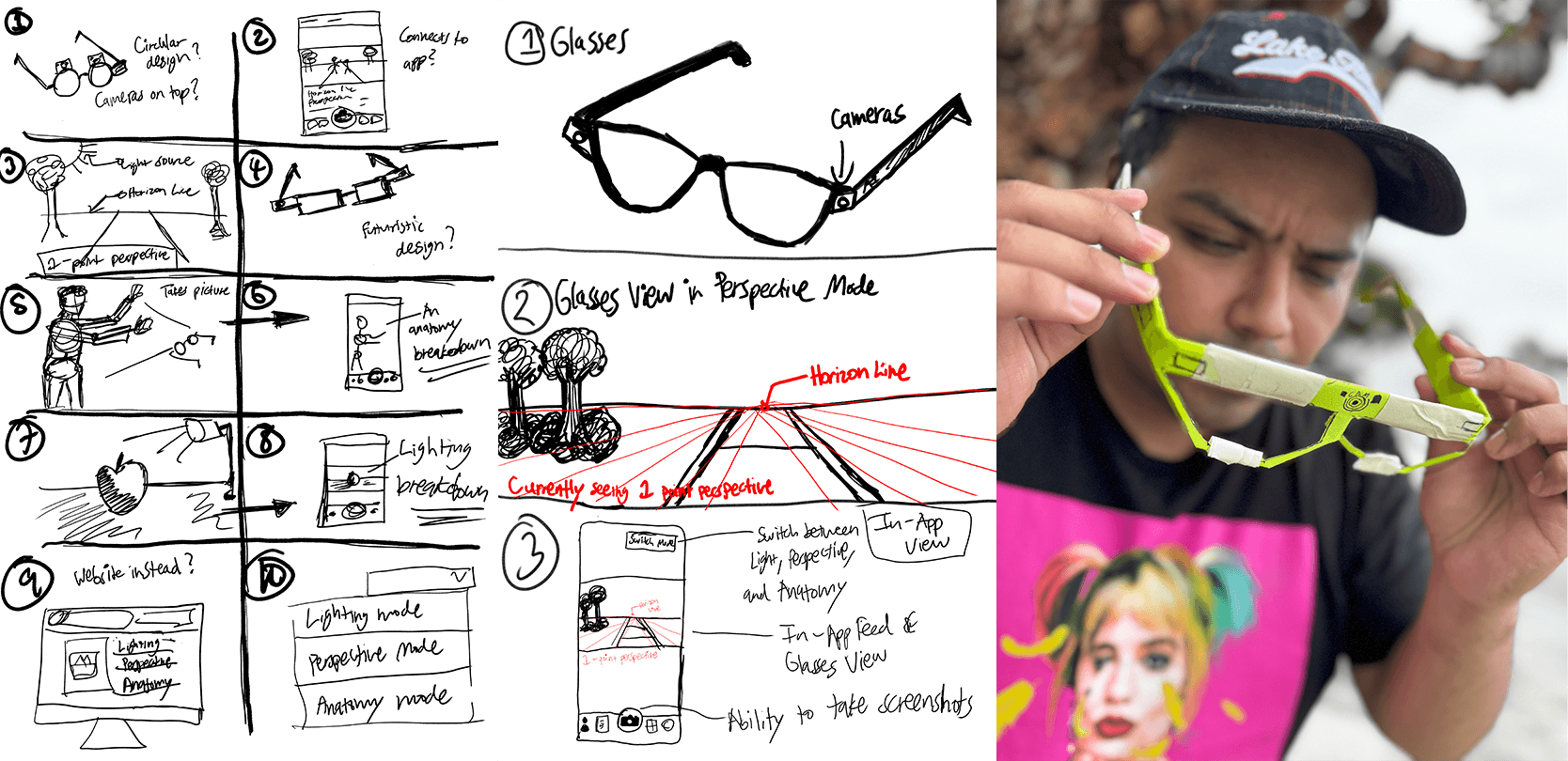
Artists are visual so it only made sense to conceptualize an AI wearable that catered to that very aspect of creating art. Making art is no easy task so I decided to focus on what artists struggle with the most: perspective, lighting, and anatomy. As an artist myself, I have always struggled in those areas so it was interesting to explore ways to help encourage artists.
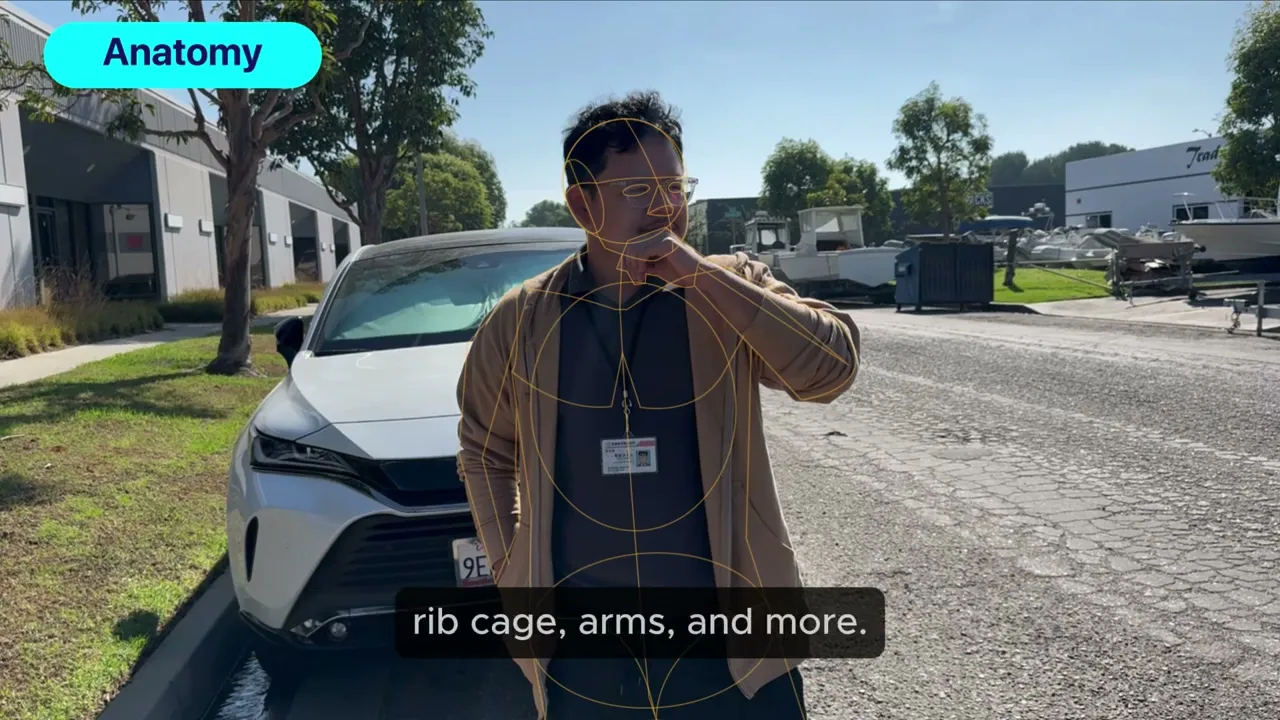
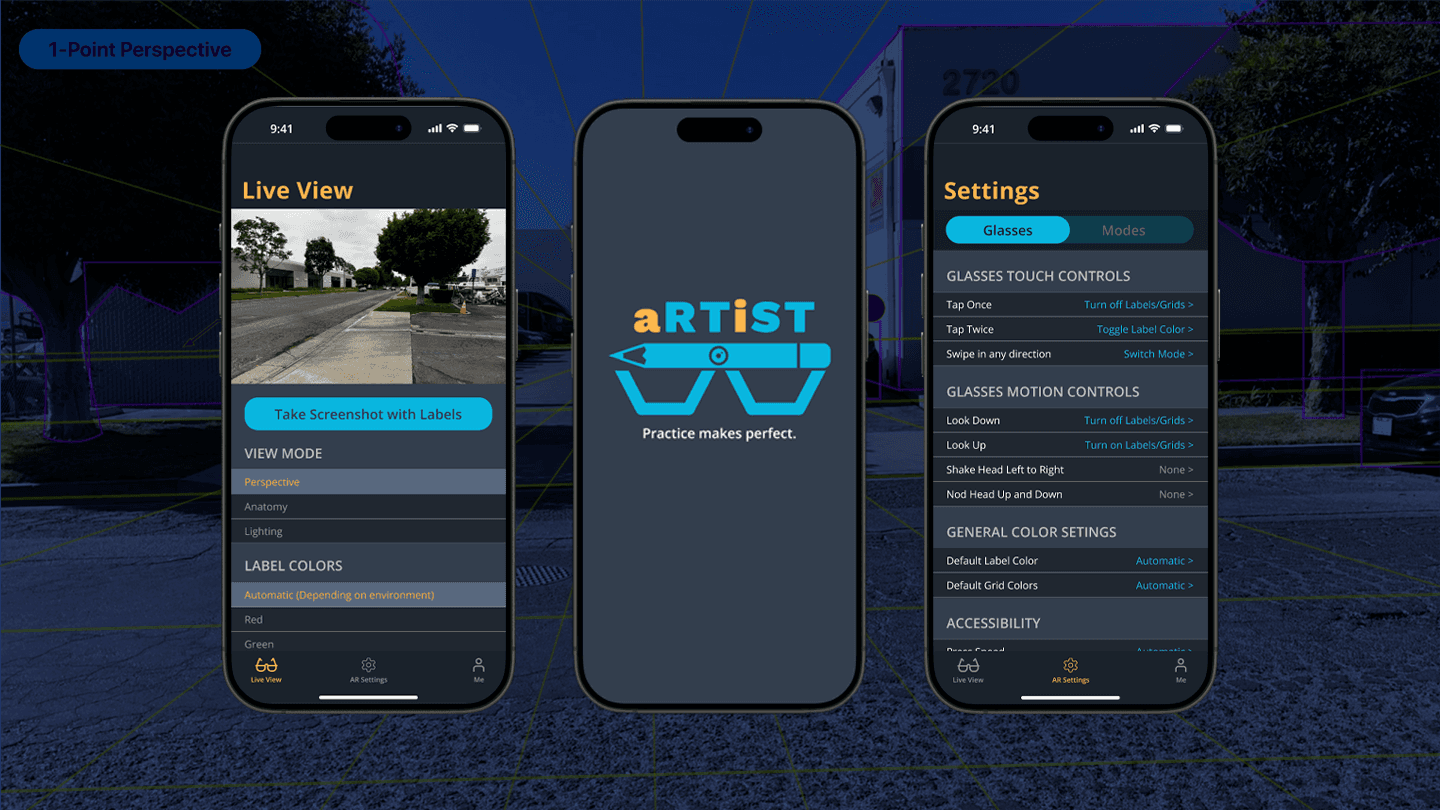
During the process of making this video, it gave me a better insight on how this project would look in real life. It really brought up the ideas of feasibility. It's easy to say "my glasses can do this", but it's different when I actually had to make it, have some actors use it, and then figure out how it works in real time. If I had never made a rough-and-ready or a Wizard of Oz video, I would never have fully grasped what is possible and what is not. It helped me really define my final AR screens shown in this video.
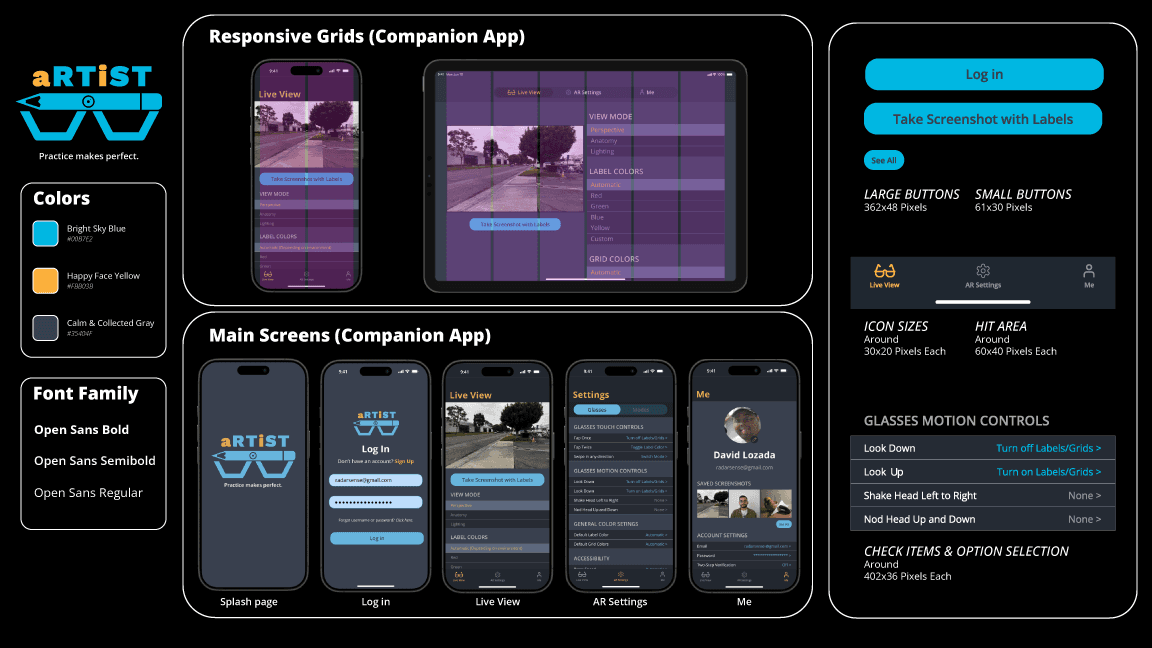
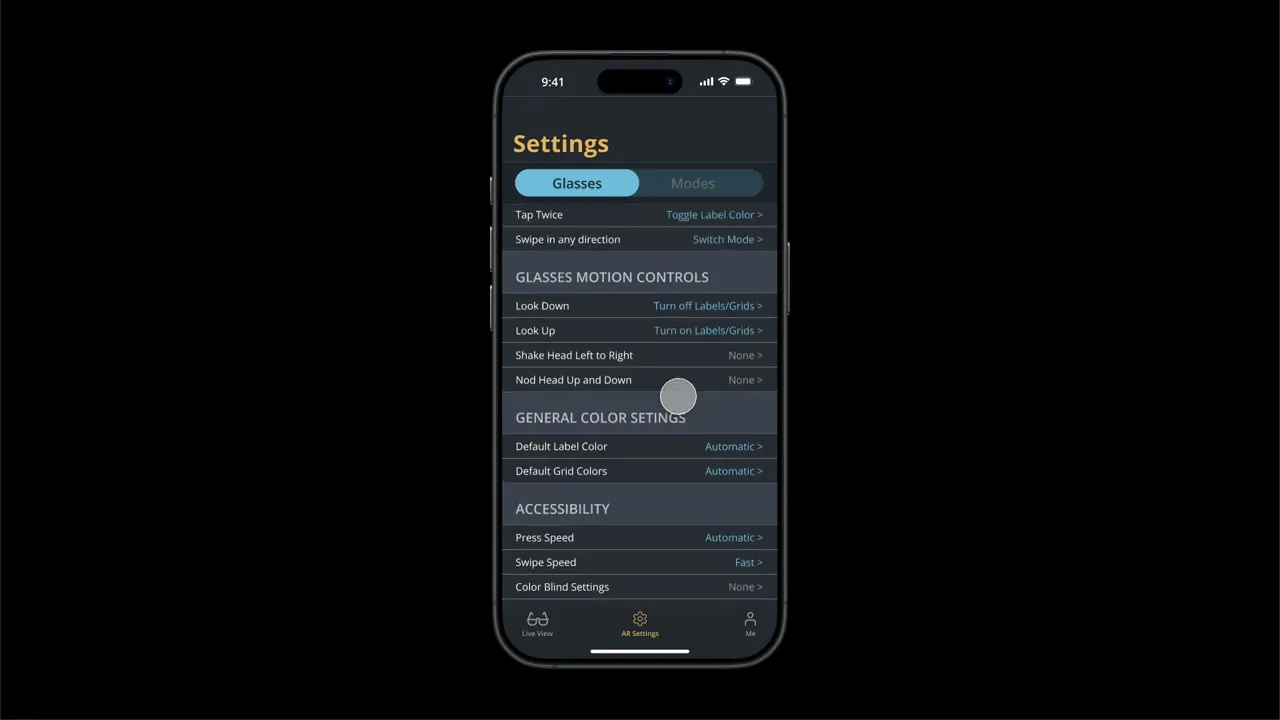
Right off the bat, people with glasses come to mind. How can the glasses be created to fit people that need to also wear glasses? This can also make the design bulky or potentially scratch the lenses of aRTiST glasses or the user’s glasses. If possible, the glasses can be adjusted to unique prescriptions to avoid that issue entirely. There were so many things to consider. Furthermore, if there is an overlay, the AI glasses would have to take into account users that are colorblind. Therefore, there would need to be settings to edit the look of the interface to ensure that it can be easily seen by anyone. Robust accessibility settings in general will make sure the app is usable for as many users as possible.